Call (02) 8605 1420  ·  info@tinytotslearning.com.au

Mon–Fri · 7am–6pm

EYLF aligned curriculum CCS approved 5 fresh meals daily 11-hour sessions · 7am–6pm Qualified educators Family Lounge App Safe & secure entry EYLF aligned curriculum CCS approved 5 fresh meals daily 11-hour sessions · 7am–6pm Qualified educators Family Lounge App Safe & secure entry
Curriculum

Learning that begins with play, and grows with the child

Our curriculum is shaped by thoughtful practices, meaningful relationships and a genuine commitment to every child.

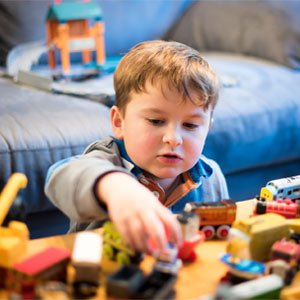
Children exploring learning materials at Tiny Tots Learning
Our Approach

Care that feels like community.

Children are born curious. From the first time a baby reaches for a rattle to the moment a four-year-old asks why the moon follows the car, each day is filled with questions waiting to be explored. Our role is to create an environment where those questions are welcomed, explored, and revisited as learning unfolds.

We follow a play-based, inquiry-led approach grounded in the national Early Years Learning Framework. This is the approved framework used by early learning services across Australia, guiding educators as they plan, observe and reflect on each child’s learning and development throughout the day.

Framework & Standards

The EYLF, NQF and NQS — the national rules that shape what we do

We are guided by three documents that shape how every approved early learning service in Australia operates.

EYLF V2.0

The Early Years Learning Framework

Belonging, Being and Becoming is Australia's national framework for children aged birth to five. It sets out five Learning Outcomes that we observe, document, and plan around every day:

01Children have a strong sense of identity
02Children are connected with and contribute to their world
03Children have a strong sense of wellbeing
04Children are confident and involved learners
05Children are effective communicators

You will see these outcomes reflected in the daily reflections and learning stories you receive from your child's room.

NQF

The National Quality Framework

The NQF is the system that regulates and assesses all approved Australian early learning services. It sets ratios, qualifications, governance standards, and a shared definition of quality across the country. Every part of how we operate, from how many educators are in a room to how we manage medication, sits within the NQF.

NQS

The National Quality Standard

The NQS is the assessment instrument used by our state regulator to rate the service. It has seven quality areas covering education, health, physical environment, staffing, relationships with children, partnerships with families, and governance. We aim higher than minimum compliance in every area, because the things we are rated on are the things that matter to your child every day.

In Practice

How we put it into practice

Play is the work of childhood

Children learn most deeply when they are absorbed in something they have chosen for themselves. Sand pits, climbing frames, dress-ups, paint, books, puzzles, role-play kitchens, mud kitchens, music corners — these are not just toys, they are classrooms. Our educators set the environment with intent, then step back, observe, and step in when a teachable moment arrives.

Intentional teaching

Alongside open play, we run intentional learning experiences each day. A pre-literacy circle in the preschool room. A counting song with the toddlers. A sensory exploration of leaves and bark with the babies. These moments are short, focused, and tied directly back to the Learning Outcomes.

Routines that respect rhythm

Babies sleep and feed on their own rhythm, not the clock. Toddlers and preschoolers settle into a predictable shape to the day — outdoor play, morning tea, group time, lunch, rest, afternoon play. Predictability builds security, and security frees children up to take learning risks.

Documenting the learning

Every child has a digital learning journal. You will receive regular updates with photos, learning stories, observations against the EYLF outcomes, and notes about what your child has been working on. This is also the easiest way to start a conversation at the dinner table about their day.

Programs by Age

Babies, Toddlers, Preschool and School Readiness

What each room looks like.

01
0 – 2 years

Babies

A gentle, sensory-rich environment built around one-to-one connection. Educators learn each baby's rhythm, signals, and preferences. The program focuses on attachment, early communication, fine and gross motor development, and lots of language input. Songs, stories, soft play, tummy time, and outdoor exploration in the secure baby garden.

02
2 – 3 years

Junior Preschool

A bigger world opens up. Children move into a structured but flexible day, with rich play environments, group experiences, early literacy and numeracy, art and music, gardening, and visits from community members. Social skills become central. We work on sharing, turn-taking, naming feelings, and resolving disagreements with words.

03
3 – 6 years

Preschool

The world expands. Children in this room are big enough to lead, ask, and build — and curious enough to chase every idea wherever it goes. Days are full of rich play, group projects, art and music, gardening and sandpit construction, and visits from community members. Pre-literacy and early numeracy come through stories, songs, mark-making and counting games. Conversations get bigger too: sharing, debating, naming feelings, and resolving disagreements with words instead of tears.

The Final Step STEP 04
4 – 6 years

School Readiness

Our oldest children move into a dedicated School Readiness program in the year before kindergarten. The focus is on the skills that matter for big school — and on helping every child feel excited, not nervous, about starting.

Confidence in group settings
Pre-reading and writing
Recognising letters and numbers
Holding a pencil with control
Managing lunch boxes and belongings
Independent toileting
Listening in a group
Visits to local primary schools
Through the Year

Nature Play, sustainability, cooking, music, incursions and cultural celebrations

Our program is thoughtfully designed to support children’s learning, curiosity, and development through a balance of nature-based experiences, creative exploration, and community connections.

Nature Play Programs

In our outdoor learning environments, encouraging exploration, independence, and connection with nature.

Sustainability

Learning experiences including vegetable gardens, composting, and worm farms.

Cooking

Activities using fresh produce grown by the children.

Yoga

Quiet movement and breath, woven into our weekly rhythm.

Music, movement & dance

To support rhythm, coordination, and self-expression — such as Happy Feet.

Special incursions throughout the year

Farm animal visits
Egg hatching experiences
Dental health program (annual check-ups & education)
Vision screening program
Emergency services visits (Police, Fire Brigade, Ambulance)

Cultural celebrations and events

Where children and families are invited to share and learn about traditions including Christmas, Diwali, Easter, Eid, Lunar New Year and other culturally significant occasions within our community.

Health & Wellbeing

Healthy body, healthy minds

We follow the Munch & Move program, a NSW Health initiative that supports the healthy development of children from birth to five through three connected habits: healthy eating, active play, and reduced screen time. The program aligns with the Australian Dietary Guidelines, the Australian 24-Hour Movement Guidelines for children, and Quality Area 2 of the National Quality Standard.

In practice, this shapes how we plan meals, how we structure outdoor and movement time, and how we talk to children about food and bodies. Our menus follow the Munch & Move key messages: water as the drink of choice, plenty of fruit and vegetables, choosing healthier snacks, and family-style meals that build positive relationships with food. Our daily routine builds in fundamental movement skills (running, jumping, balancing, throwing, catching) through structured and unstructured play. We are a registered Munch & Move service, with ongoing support from our Local Health District Munch & Move officer.

Connection to Country

Embedding Aboriginal and Torres Strait Islander perspectives in our daily program

Connection to Country is part of our daily program, not a once-a-year event. We read books by First Nations authors. We learn local language words. We use Indigenous art materials. We acknowledge Country at the start of group times in the older rooms. Where appropriate, we invite Elders and community members in to share stories.

We aim to do this respectfully and in partnership, and we welcome guidance from First Nations families in our community.